So, you have finalized your restaurant's name, designed a stunning interior, and perfected your menu. You are ready to open your doors and serve delicious food. But wait—before you fire up the stoves, there is one non-negotiable legal hurdle you must cross: The FSSAI License.
The Food Safety and Standards Authority of India (FSSAI) mandates that every single food business operator (FBO) in the country must be registered. Operating without a valid 14-digit FSSAI number in 2026 can lead to massive penalties, imprisonment, or the immediate sealing of your restaurant. Furthermore, food aggregators like Zomato and Swiggy will simply refuse to onboard your restaurant without it.
Automate Your Restaurant Today!
Stop losing money to manual errors. Join RestoYantra and manage billing, KOT, and inventory seamlessly from any device.
Navigating government portals can be intimidating, but it doesn't have to be. Here is your complete, updated, step-by-step guide to FSSAI registration for Indian restaurants, cafes, and cloud kitchens.
Step 1: Determine Which FSSAI License You Need
FSSAI licenses are divided into three tiers based on your business size and projected annual turnover. Choosing the wrong tier will result in application rejection.
- 1. Basic FSSAI Registration: For tiny startups, home bakers, or small food trucks with an expected annual turnover of less than ₹12 Lakhs.
- 2. State FSSAI License: The most common license for standard cafes, dine-in restaurants, and cloud kitchens. Required if your projected annual turnover is between ₹12 Lakhs and ₹20 Crores.
- 3. Central FSSAI License: For massive fine-dining chains, 5-star hotel restaurants, or food businesses operating across multiple states with an annual turnover exceeding ₹20 Crores.
Step 2: Gather the Required Documents
Having your paperwork digitized and ready in PDF/JPEG format before you start the application will save you hours of frustration.
For Basic Registration:
- Passport-sized photograph of the owner/applicant.
- Government-issued Photo ID (Aadhaar, PAN, Voter ID).
- Proof of business address (Rent agreement or utility bill).
For State / Central License (Additional Documents):
- List of Directors/Partners with their ID proofs.
- A complete list of commercial kitchen equipment and machinery.
- Water testing report from an NABL-accredited laboratory (crucial for restaurants).
- Food Safety Management System (FSMS) plan or certificate.
- NOC (No Objection Certificate) from the property owner if the space is rented.
Step 3: The Online Application Process (FoSCoS Portal)
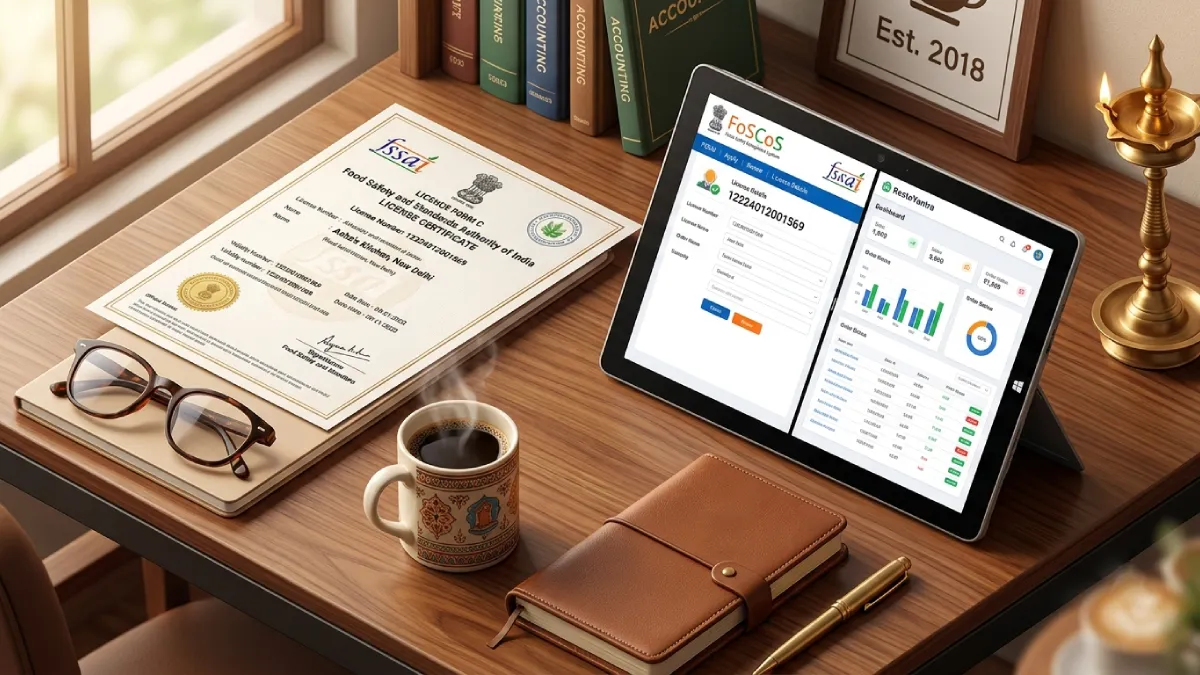
The entire process has been digitized and moved to the Food Safety Compliance System (FoSCoS). Here is how to apply:
- Visit the Official Portal: Go to foscos.fssai.gov.in. Beware of fake third-party websites that charge exorbitant "consultancy" fees.
- Sign Up / Login: Create an FBO account using your email and active mobile number.
- Apply for New License: Click on "Apply for License/Registration" and select your state.
- Select Business Type: Choose "Food Services" and then select "Restaurant" or "Food Vending Establishment" (for cloud kitchens).
- Fill the Form: You will be directed to Form A (for Basic) or Form B (for State/Central). Fill in your business name, address, water source details, and the specific food categories you intend to serve.
- Upload Documents: Upload the required documents you prepared in Step 2.
- Pay the Fees: Complete the payment via the online payment gateway.
FSSAI License Fees in India (2026 Estimates)
The government fees are quite reasonable. You can apply for a validity of 1 to 5 years. The fees below are calculated per year:
- Basic Registration: ₹100 per year.
- State License (Restaurants): ₹2,000 to ₹5,000 per year (depending on your specific state's slab and star rating).
- Central License: ₹7,500 per year.
Step 4: Inspection and Issuance
Once submitted, an Application Reference Number (ARN) will be generated. For a Basic Registration, the certificate is usually issued within 7 to 30 days.
For State and Central licenses, a Food Safety Officer (FSO) will likely schedule a physical inspection of your premises. They will check the hygiene of your kitchen, the quality of your commercial equipment, and your food storage practices. If everything is up to standard, your 14-digit FSSAI license and digital certificate will be issued, which you must print and display prominently at your cash counter.
Your Legal Setup is Complete. What About Your Operations?
Getting your FSSAI license proves that your restaurant is legally ready to operate. But is it technologically ready to be profitable?
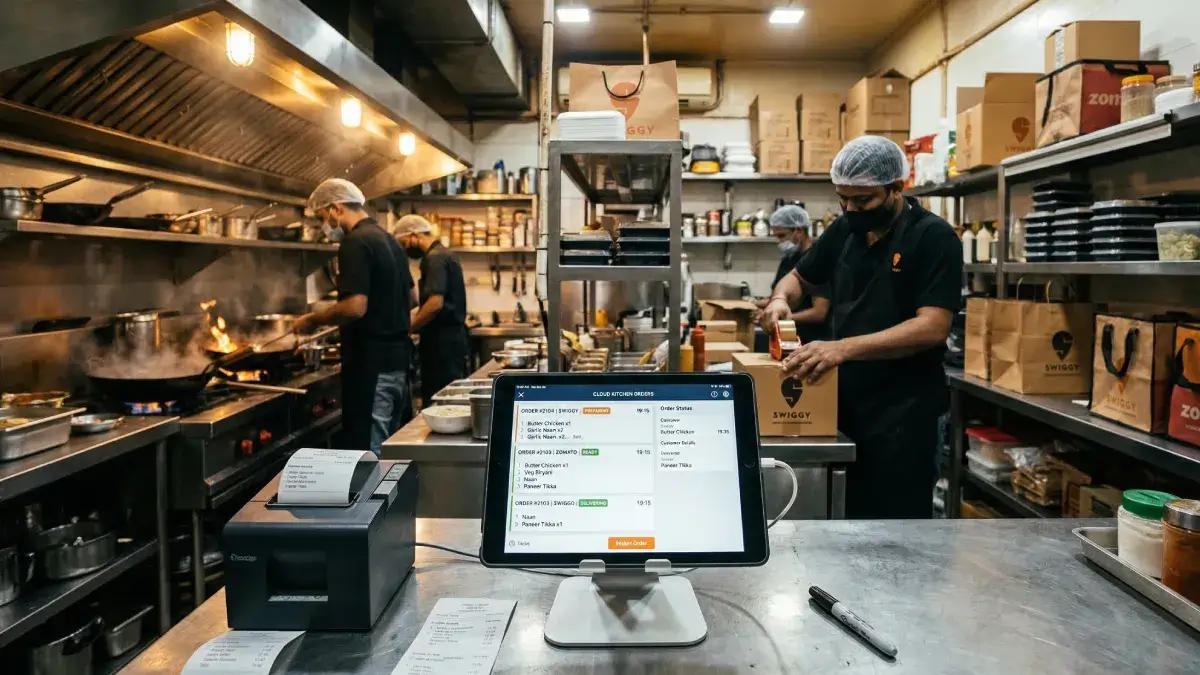
A restaurant is a chaotic environment. Once the orders start flooding in, maintaining those high food safety standards while managing inventory, staff attendance, and GST billing manually is practically impossible.
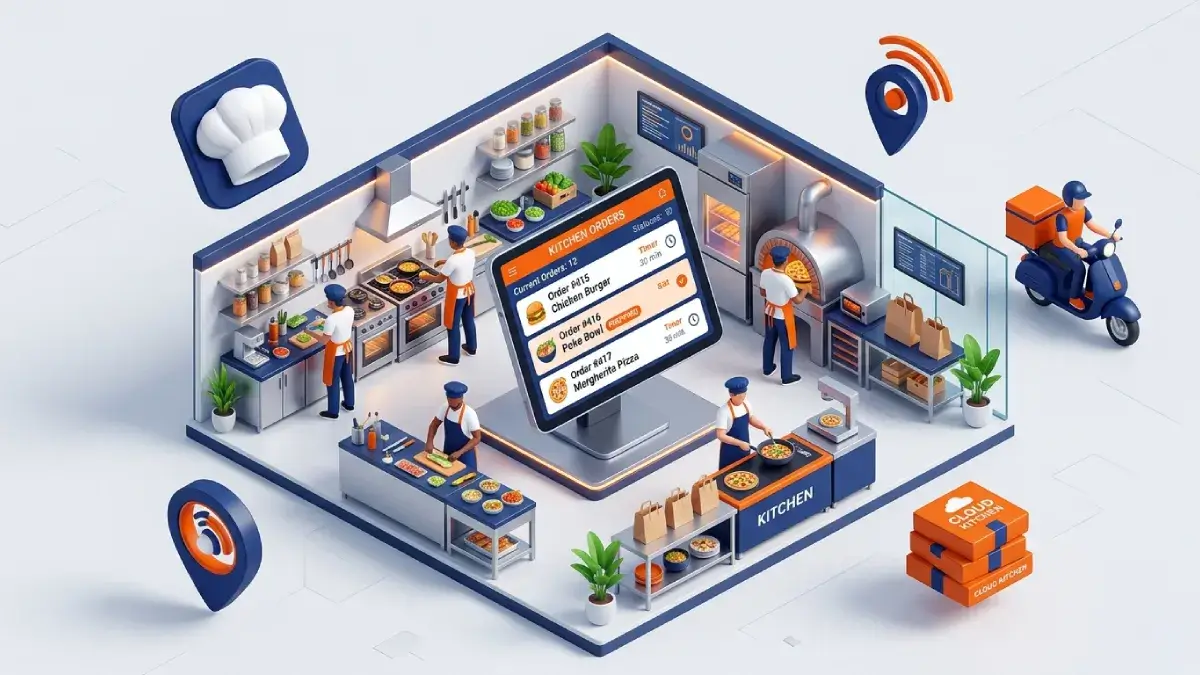
This is where RestoYantra steps in as your ultimate operational partner. Just as FSSAI handles your legal compliance, RestoYantra’s premium Cloud POS ecosystem automates your daily business compliance.
- Automated GST Billing: Generate flawless 5% or 18% GST bills in seconds.
- Smart Inventory Tracking: Ensure your ingredients never expire and track food wastage to maintain top-tier hygiene standards.
- QR Code Menus: Offer a premium, contactless dining experience that aligns with modern food safety expectations.
You have crossed the biggest legal hurdle. Now, it is time to build a profitable brand. Start your free trial with RestoYantra today and automate your entire restaurant operation effortlessly!